You skip breakfast thinking it’ll save calories.
Maybe even help with weight loss.
But by mid-morning, you’re already low on energy, struggling to focus, and reaching for anything sugary or caffeinated.
That’s not poor discipline - it’s your body reacting to being under-fueled.
Skipping breakfast might seem like a small habit, but over time, it can quietly affect your metabolism, hunger levels, mental performance, and even your long-term health. And despite what many trends suggest, it doesn’t always help with fat loss either.
So what actually happens when you skip your first meal of the day? And is it always a bad idea? Let’s break it down in a way that actually makes sense for your daily routine.
What Happens in Your Body When You Skip Breakfast?

After a full night’s sleep, your body enters a natural fasting phase. During this time, blood glucose levels drop, stored glycogen starts to decline, and cortisol, the hormone responsible for alertness, rises as part of your internal body clock.
Eating breakfast helps shift your body out of this fasting state. It restores energy levels, activates digestion, and supports better control of blood sugar and hormones throughout the day. When you skip breakfast, this transition is delayed. Your body continues functioning without fresh fuel, which can result in lower energy, stronger hunger later in the day, and increased cravings for high-calorie foods.
Over time, this pattern can affect how your body manages energy, appetite, and overall metabolic balance.
7 Real Effects of Skipping Breakfast (Backed by Research)
1. Your Energy Levels Drop Faster Than You Expect
One of the first things people notice when they skip breakfast is fatigue. This happens because your body hasn’t received fresh fuel after hours of fasting.
Without replenishing glucose levels, your body struggles to maintain stable energy. You may feel okay initially, but by mid-morning, energy dips hit hard - especially if your day involves mental or physical effort.
2. Hunger Increases and Leads to Overeating
Skipping breakfast does not remove hunger, it shifts it later into the day. Hunger hormones remain elevated for longer, making it harder to control portions when you finally eat.
As a result, many people:
- Eat larger meals than required
- Snack more frequently
- Choose calorie-dense foods
This often leads to a higher total calorie intake compared to having a balanced breakfast.
3. Weight Gain Becomes More Likely
Although skipping breakfast is often linked to weight loss, the opposite is more common in real-life situations.
Irregular eating patterns, stronger cravings, and poor food choices later in the day can contribute to gradual weight gain. In addition, higher morning stress hormone levels and inconsistent energy intake may influence fat storage, especially around the abdominal area.
Consistent breakfast habits are often associated with better weight management and more stable eating patterns.
4. Heart Health May Be Affected
Your daily eating routine plays a role in long-term cardiovascular health. People who regularly skip breakfast have been found to show higher risks of heart-related conditions.
This can be linked to:
- Poor blood sugar regulation
- Increased stress response
- Inflammation over time
- Less consistent dietary patterns
While breakfast alone does not determine heart health, skipping it regularly can contribute to an overall less balanced lifestyle.
5. Focus, Memory, and Mood Decline
The brain depends on a steady supply of glucose to function properly. Without breakfast, mental performance often drops during the first half of the day.
You may experience:
- Difficulty concentrating
- Slower thinking and decision making
- Reduced productivity
There is also a noticeable effect on mood. Many people feel more irritable, low on motivation, or mentally drained when they skip their morning meal.
6. Gut Health and Digestion Can Be Disrupted
Your digestive system works on a natural rhythm, and regular meals help maintain that balance. Skipping breakfast can delay digestive activity and affect how your gut functions throughout the day.
Over time, this may lead to:
- Irregular digestion
- Reduced efficiency in nutrient absorption
- Imbalance in gut bacteria
A consistent morning meal, especially one that includes fibre, helps support better digestive health.
7. Muscle Recovery and Workout Performance Suffer
After a long fasting period, your body has limited readily available energy. Without breakfast, workouts may feel more difficult and less effective.
You may notice:
- Lower endurance and strength
- Faster fatigue during exercise
- Reduced training performance
In addition, delaying protein intake can make it harder to support muscle maintenance and recovery, especially if you exercise regularly.
Intermittent Fasting vs. Skipping Breakfast

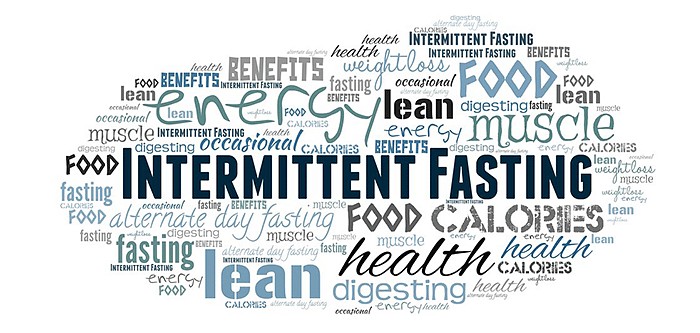
Intermittent fasting (IF) protocols, such as the 16:8 method where you fast for 16 hours and eat within an 8-hour window, intentionally involve skipping breakfast. For some individuals, structured IF does offer benefits including improved insulin sensitivity, reduced total caloric intake, and cellular autophagy (the body's cellular repair process).
However, casually skipping breakfast out of habit or time pressure is fundamentally different from structured intermittent fasting. The table below captures the key differences.
|
Factor |
Habitual Breakfast Skipping |
Structured Intermittent Fasting |
|
Planning |
Unplanned, driven by habit or rush |
Deliberate, time-structured protocol |
|
Calorie intake |
Usually overcompensated later |
Controlled within eating window |
|
Hydration |
Often neglected |
Intentional water and electrolyte intake |
|
Circadian alignment |
Often misaligned |
Can be aligned with natural rhythms |
|
Medical guidance |
None |
Strongly recommended before starting |
Intermittent fasting is also not suitable for everyone. It is not recommended for pregnant or breastfeeding women, children and adolescents, people with Type 1 diabetes, those with a history of eating disorders, or individuals on blood sugar medications. If you are considering IF, consult a registered dietitian before making any changes.
Who Should Never Skip Breakfast
Certain groups face disproportionately higher risks from skipping breakfast and should prioritise a morning meal without exception:
- Children and teenagers require consistent morning nutrition for growth hormone function, brain development, and academic performance
- Pregnant and breastfeeding women need continuous nutrient supply to support foetal development and milk production
- People with Type 1 or Type 2 diabetes face direct blood glucose destabilisation from morning fasting
- Elderly adults (60+) are at higher risk of sarcopenia (muscle wasting) and cognitive decline without regular morning protein intake
- People managing anxiety or depression depend on consistent morning glucose for serotonin production and mood regulation
- Athletes and regular gym-goers need morning nutrition to fuel performance and protect muscle tissue
- People with hypothyroidism or PCOS see worsened hormonal imbalances from irregular meal timing
What Does a Healthy Breakfast Actually Look Like?
A balanced breakfast should include protein (20 to 30 grams) to activate muscle protein synthesis and sustain satiety, complex carbohydrates for steady glucose release, healthy fats for hormonal balance and brain function, and fibre to support gut health and appetite control.
Nutritious Indian Breakfast Options
|
Breakfast |
Key Nutrients |
Primary Benefit |
|
Moong dal chilla |
Protein, folate, iron |
Blood sugar control and satiety |
|
Poha with peanuts |
Carbs, protein, iron |
Quick energy, filling and light |
|
Idli with sambar |
Protein, probiotics, fibre |
Gut health and metabolic support |
|
Besan omelette |
Protein, fibre |
Muscle support, low glycaemic index |
|
Oats with nuts and banana |
Fibre, potassium, healthy fats |
Heart health and sustained energy |
|
Paneer scramble |
Protein, calcium |
Muscle repair and bone health |
|
Sprouts salad with lemon |
Protein, Vitamin C, iron |
Immunity boost and gut health |

What to avoid: Sugary cereals, white bread with jam, biscuits, pastries, and sweetened chai on an empty stomach all cause rapid blood sugar spikes with minimal nutritional return.
You can pair a healthy breakfast routine with FITFEAST's nutrition-first meal planning to make mornings both convenient and genuinely nourishing.
Don’t Have Time in the Morning? Try This
One of the biggest reasons people skip breakfast is lack of time. But with small adjustments, it’s manageable:
- Prepare ingredients the night before
- Keep quick options ready (like fruits or nuts)
- Use smoothies for a fast, balanced meal
Even a small breakfast is better than skipping entirely.
Can Skipping Breakfast Ever Be Okay?
Skipping breakfast is not always harmful, but for most people, it does more damage than good when done without structure.
While approaches like intermittent fasting can work in specific cases, they are effective only when meals are planned, nutrition is balanced, and overall eating patterns remain consistent. For everyday routines, skipping breakfast often leads to low energy, poor focus, and overeating later in the day, making it harder to maintain a healthy lifestyle.
In the end, the goal is not simply to eat or skip a meal, but to build habits that support stable energy, better nutrition, and long-term health. For most people, starting the day with a balanced breakfast is one of the simplest ways to do that.


What is the healthiest thing to eat for breakfast?
Whole grains, lean protein (like eggs or Greek yoghurt), fruits, nuts, and seeds are excellent choices for a balanced morning meal.
Does skipping breakfast slow your metabolism?
Skipping breakfast can reduce early-day calorie burning and affect hunger hormones. Over time, this may lead to lower energy expenditure and less efficient metabolism, especially if it causes irregular eating patterns.
Is it okay to skip breakfast occasionally?
Yes, skipping breakfast occasionally is generally safe for healthy adults. Most health risks are linked to regularly skipping breakfast, not missing it once in a while due to a busy schedule or travel.
Can I skip breakfast to lose weight?
For most people, skipping breakfast does not support weight loss. It often leads to increased hunger, overeating later in the day, and poor food choices. Structured approaches like intermittent fasting may work for some, but they require proper planning.
Is drinking only coffee or tea in the morning enough?
No, coffee or tea alone does not provide the nutrients your body needs after fasting overnight. While they may reduce hunger temporarily, they do not support energy levels, blood sugar balance, or digestion like a proper meal does.
Does skipping breakfast affect skin and hair health?
Yes, consistently skipping meals can lead to nutrient gaps, especially in protein, vitamins, and minerals. Over time, this may affect skin quality, hair strength, and overall recovery processes in the body.