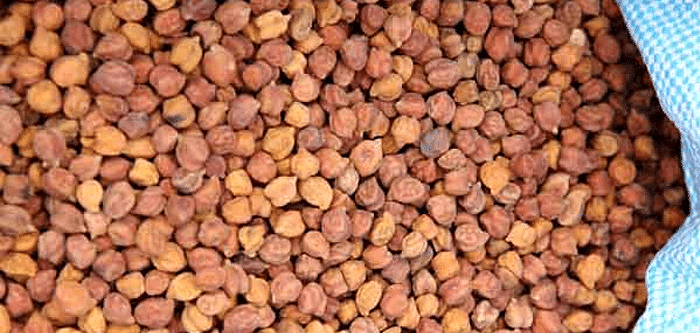
Black chickpeas, or kala chana, are fondly known as the almonds of the poor. They're incredibly nutrient-dense. Did you know that just 100 grams of black chana offers a substantial 7.6 grams of dietary fiber?
This aligns perfectly with the 2025–2030 Dietary Guidelines for Indians, which recommend 25–40 grams of daily fiber intake for adults, depending on age and gender.
Beyond their fiber content, black chickpeas are rich in protein and low in fat. That makes them an ideal choice for those pursuing better health, whether it's weight management, cholesterol control, improved hair and skin, or overall vitality.
Learn how including black chickpeas in your daily diet is a tasteful and health-conscious choice that satisfies both your taste buds and your well-being.
A Versatile Ingredient for Healthy Living
One of the remarkable benefits of chickpeas is their versatility in the kitchen. The use of chickpeas has been widespread across Indian cuisine. Its historic prevalence and widespread cultivation in the Bengal region during the early British colonial period have even earned it an Anglo-Indian name, that is, Bengal Gram.
The word combines the region of Bengal and the Portuguese word for grain, “grão.”
You can incorporate them into various dishes, including salads, falafel, hummus, curries, soups, and stews. Alternatively, boil or roast them for a nutritious and satisfying snack. Regardless of how you prepare them, black chickpeas benefit your overall health.
Let’s see why chickpeas have been widely considered a nutrient powerhouse and consumed across centuries.
The Nutrient Powerhouse: Black Chickpea Nutrition
Let's start by breaking down the nutritional content of 100 grams of black chickpeas.
| Nutritional Content in Black Chickpeas per 100 g | |
| Nutrient | Amount |
| Calories | 164 kcal |
| Fat | 2.6 g |
| Saturated Fat | 0.3 g |
| Cholesterol | 0 mg |
| Sodium | 24 mg |
| Potassium | 291 mg |
| Carbohydrates | 27 g |
| Fibre | 7.6 g |
| Sugar | 4.8 g |
| Protein | 20 g |
As you can see, black chickpeas are packed with essential nutrients. They are particularly noteworthy for their protein content. In 100 grams of chana, protein content is 20 grams. This makes them an excellent choice for individuals seeking plant-based protein sources.
Health Benefits of Black Chickpeas
Weight Management
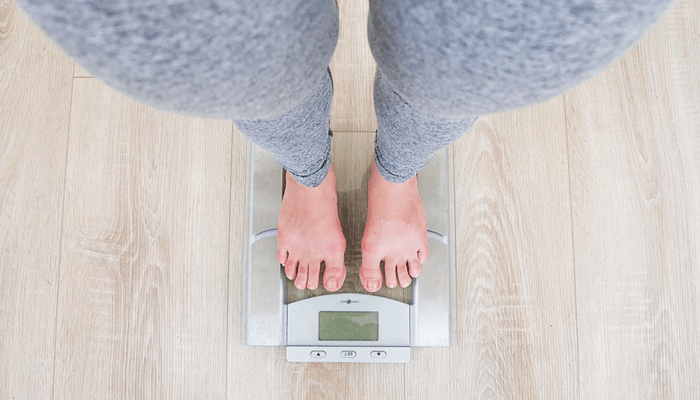
Black chickpeas are rich in soluble and insoluble fibers, aiding weight loss. Soluble fiber helps remove bile from the body, while insoluble fiber improves digestive function. Combining fiber and protein in black chickpeas helps curb hunger cravings, prevent overeating, and support weight management. Moreover, the protein content provides sustained energy throughout the day while aiding muscle building.
The best dietitians and nutritionists in India personalize diet plans with chickpea meals at least two to three times a week. Their high nutrient density aids in weight loss, gut health, and even diabetes management.
Reducing Cholesterol

The high levels of soluble fiber in black chickpeas play a pivotal role in maintaining healthy cholesterol levels. Regular consumption can help reduce total cholesterol, triglycerides, and low-density lipoprotein (LDL) or "bad" cholesterol. Notably, the quality of fibers found in black chickpeas surpasses many other foods.
Especially Beneficial for Women
Black chickpeas or kala chana offer unique health benefits for women. Regular consumption has been linked to a reduced risk of osteoporosis and breast cancer. Saponin, a plant compound, can help alleviate hot flashes during menopause. Additionally, boiling black chickpeas in water is believed to reduce the risk of miscarriage, while roasting them and mixing them with certain ingredients can help address conditions like leucorrhea.
Good for Hair

The protein in kala chana per 100 gm is approximately 20 gm, which helps strengthen hair follicles, promoting hair growth. They are also rich in zinc and vitamin B6, essential for building hair proteins. Consistent consumption may help prevent male pattern baldness and premature greying of hair while combating dandruff, a common cause of hair loss.
Beneficial for Your Skin
Black chickpeas offer a plethora of nutrients, including dietary fiber, protein, phosphorus, carbohydrates, and folate, while being low in sodium and cholesterol. This combination benefits the skin in various ways. Eating sprouted chickpeas can help reduce spots caused by conditions like leucoderma. Chapatis made from black chickpeas, without salt, can effectively treat ringworm infections. Chickpea paste is known for reducing acne and its associated scars.
Controls Blood Pressure
Black chickpeas can potentially normalize blood pressure, particularly for individuals with hypertension. The presence of potassium and magnesium helps maintain electrolyte balance in the body, regulating blood pressure levels.
Improves Cardiovascular Health
Black chickpeas are rich in anthocyanins, petunidin, delphinidin, phytonutrients, and antioxidants, all of which contribute to improved blood vessel health. These compounds reduce oxidative stress, lowering the risk of heart-related diseases. Furthermore, their high folate and magnesium content inhibits the formation of plaque, blood clots, and narrow arteries.
Prevents Colon Cancer
The consumption of black chickpeas can significantly reduce the risk of colon cancer. Soluble fibres in black chickpeas are broken down into short fatty acid chains by beneficial bacteria in the colon, promoting colon health and reducing the risk of colon cancer.
Gluten-Free Option
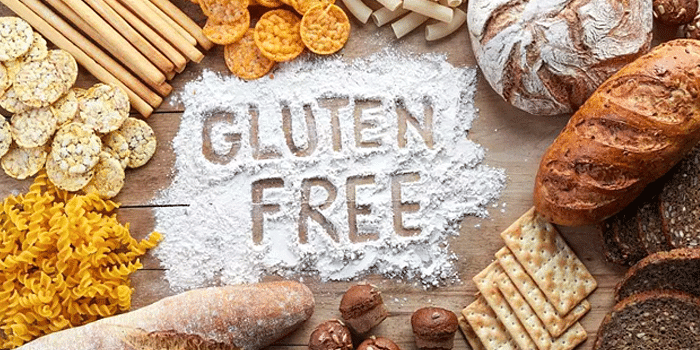
For individuals with gluten intolerance, black chickpeas are a blessing. They are naturally gluten-free and provide substantial proportions of essential nutrients and minerals, including thiamin, riboflavin, folate, iron, and fiber.
Diet With Regular Consumption of Chickpeas
Considering the impressive health benefits of black chickpeas, incorporating them into your regular diet is a wise choice. A single serving can significantly lower harmful cholesterol levels and reduce the risk of cardiovascular diseases. Moreover, their slower carbohydrate digestion can help regulate blood sugar levels and reduce the risk of type 2 diabetes.
Today, it is one of the biggest health scares. India is now the second country in the world to have the most diabetic people in the world with little to no awareness about the importance of preventive healthcare checkups.
A Fitness Enthusiast's Best Friend
Black chickpeas offer a unique advantage for individuals who engage in various forms of physical activity, such as gym workouts or outdoor sports. These legumes can be your fitness buddy, providing the nutrients your body needs to perform at its best.
Whether you prefer roasted or boiled black chickpeas, they are ideal superfoods for athletes and fitness enthusiasts. A moderate intake can satisfy your daily fiber and protein requirements, aiding muscle recovery and endurance. Black chickpeas are an excellent energy source, making them a perfect pre- or post-workout snack.
Furthermore, their potassium and magnesium content helps prevent muscle cramps, ensuring peak performance during exercise routines. With the right balance of carbohydrates and protein, black chickpeas support muscle growth and repair, making them a valuable addition to your diet plan.
Chickpea: The Earliest Cultivated Legume
Chickpeas are one of the earliest cultivated legumes, and they are just as nutritious to this day. Wild chickpeas were small-seeded legumes in the southern region of Turkey and parts of Syria. They were harvested by hunter-gatherers. It was only approximately 10,000 to 11,000 years ago (around 8000–9000 BCE) that chickpeas were domesticated. This became one of the founder crops of modern agriculture and dietary requirements of people in general.
Chickpea Variety Is Key
While there are many health benefits of black chickpeas, it's essential to maintain a balanced diet that includes a variety of foods. Incorporating other legumes and vegetables into your meals ensures you receive a broad spectrum of nutrients and antioxidants that promote overall well-being.
Consider including chickpeas in various colors. Here are some examples:
- White Chickpeas (garbanzo beans): The white chickpeas are known for their mild nutty flavor. They are beige in color and are also known as kabuli chana. It is popular in hummus recipes today, but it is largely consumed for good heart health, digestion, and appetite control. It offers around 15 grams of protein per 100 grams, making it a great meal option.
- Black Chickpeas (kala chana): The black chickpea is a dark skin variety of chickpeas native to India. It is packed with nutrients and offers an earthy taste. A single cup of kala chana contains about 15 grams of protein and 13 grams of dietary fiber.
- Green Chickpeas (hara chana): The green chickpeas are the early-harvested garbanzo beans. They are tender, crisp, and highly nutritious. It often gives a nutty taste similar to edamame. They offer 5 grams of protein in just half a cup besides being packed with other nutrients.
to diversify your nutrient intake. Each variety offers unique health advantages, contributing to a holistic approach to nutrition.
Embrace the Power of Black Chickpeas
Black chickpeas are a remarkable natural gift with essential nutrients and many health advantages. Their versatility in the kitchen makes them an accessible addition to your daily meals. The benefits of chickpeas for males are plentiful. Black chickpeas offer a range of advantages, from helping to maintain a healthy weight, lower cholesterol, enhance hair and skin, and regulate blood pressure to supporting fitness goals.
Get the nutritional power of black chickpeas to make you healthier. In just 100g, you get 7.6g of fiber, making it a great choice to meet daily intake requirements. Alongside this, black chickpeas offer 20g of protein, 2.6g of fat, and a range of essential minerals like calcium, iron, magnesium, phosphorus, and potassium. They also provide vitamins such as C, folate, and K. So, whether you aim to lose weight, manage cholesterol, promote better hair and skin, or boost overall well-being, black chickpeas are a delicious and nutritious addition to your daily diet.

How much fiber in chickpeas?
Chickpeas are rich in fiber, providing around 7.6 grams per 100 grams. This helps in promoting digestion and regulating the blood sugar levels.
Why do bodybuilders eat chickpeas?
Bodybuilders often include chickpeas in their diets for protein, fiber, nutrient density, and complex carbohydrates, which support muscle maintenance, growth, and recovery.
Are chickpeas a superfood?
Yes, chickpeas (garbanzo beans and black chana varieties) are considered a superfood. It's a nutritional powerhouse offering fiber, protein, and essential nutrients like iron, folate, and manganese.
How many calories in black chickpeas?
Black chickpeas contain 150-180 calories per 100 grams when boiled.
How much protein in 100g of black chana?
Black chana has about 19 grams of protein per 100 grams. Including them in your diet helps in meeting the daily protein needs.